Why the park exists
Rescue, rehabilitation and repopulation
Neofauna was built around animals that needed somewhere to go. The tours came second — they are how the rescue work gets paid for.
The work
What happens when an animal arrives
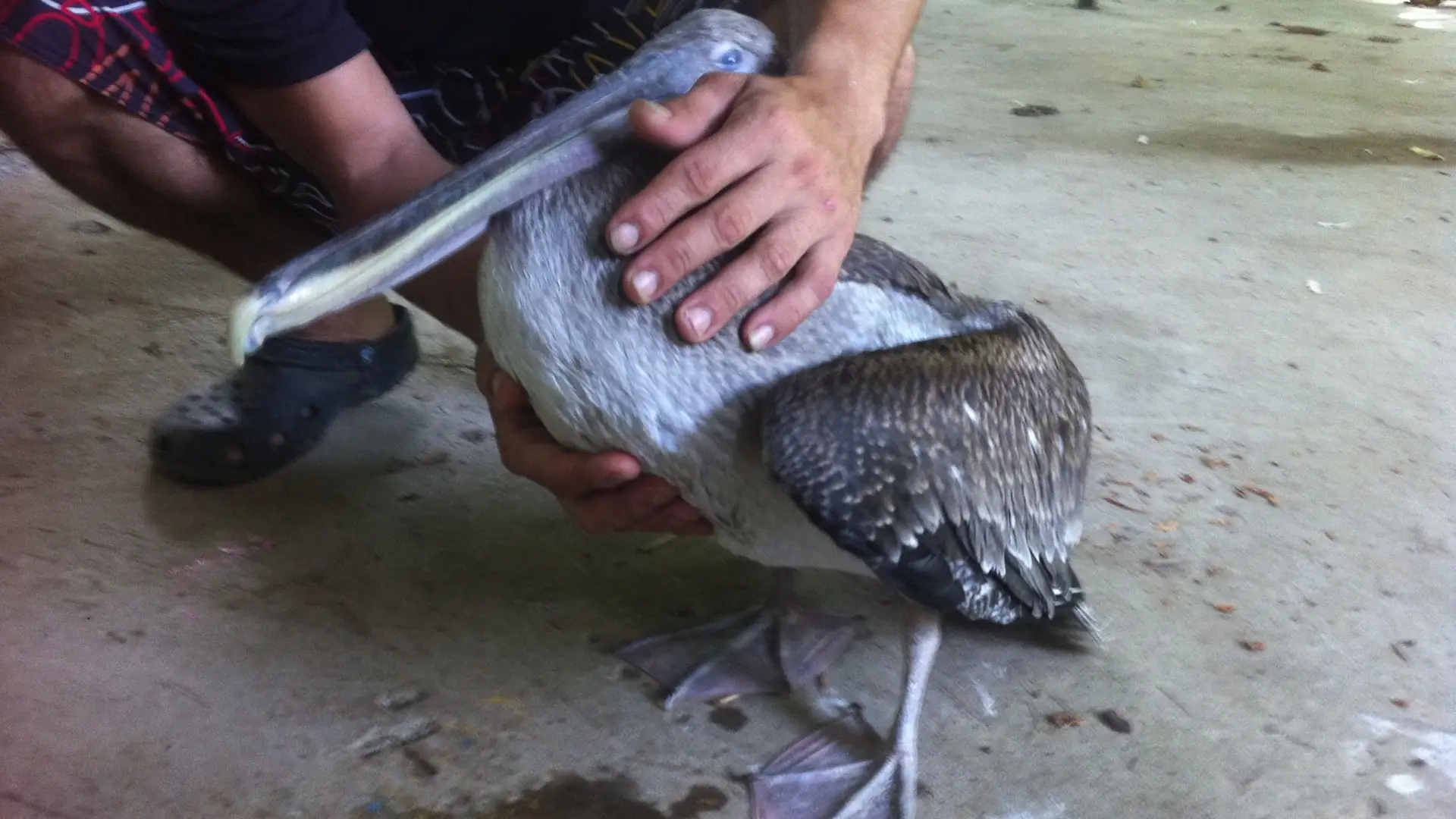
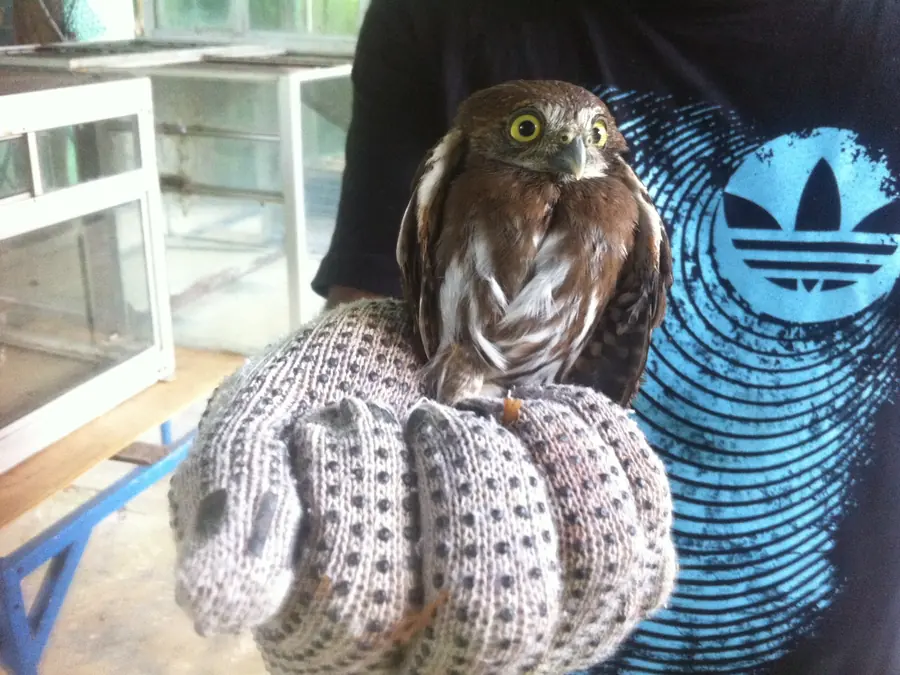
Most of the animals at Neofauna arrive because something went wrong: a bird hit a window or a power line, a monkey was kept illegally as a pet, a nest came down in a storm. Luis Angel Fonseca Alvarado and his team assess the animal, treat what can be treated, and decide what kind of life is possible for it.
The goal is always the forest. An animal that can feed itself, move properly and avoid people is released. An animal that cannot is given a permanent place at the park, where it becomes part of the tours — and part of the reason visitors care about the forest around them.
Intake
Injured, orphaned or confiscated animals are assessed on arrival. Some need nothing more than quiet and food; others need weeks of care before they can be moved.
Rehabilitation
Birds relearn flight and foraging. Reptiles and amphibians are kept at the humidity and temperature their species needs. Primates are gradually reintroduced to a troop.
Release
Animals that can survive on their own go back into the rainforest around Pueblo Nuevo, in the same valley they came from wherever possible.
Permanent care
Some animals can never be released. They stay, and the tours help cover the cost of keeping them healthy for the rest of their lives.
Breeding programs
Keeping species in the valley
Neofauna runs breeding and repopulation programs for species under pressure in this part of Puntarenas. The work is slow and unglamorous: eggs, tadpoles, pupae, and a lot of waiting.
Frogs are raised from eggs collected on site and released once they are strong enough. Butterflies are bred in the lab and the flight house, which keeps the population in the surrounding forest topped up. Some of what you see on a tour is a working nursery rather than an exhibit.
- Amphibian breeding for species at risk locally
- Butterfly breeding across the full life cycle
- Release sites inside the same valley
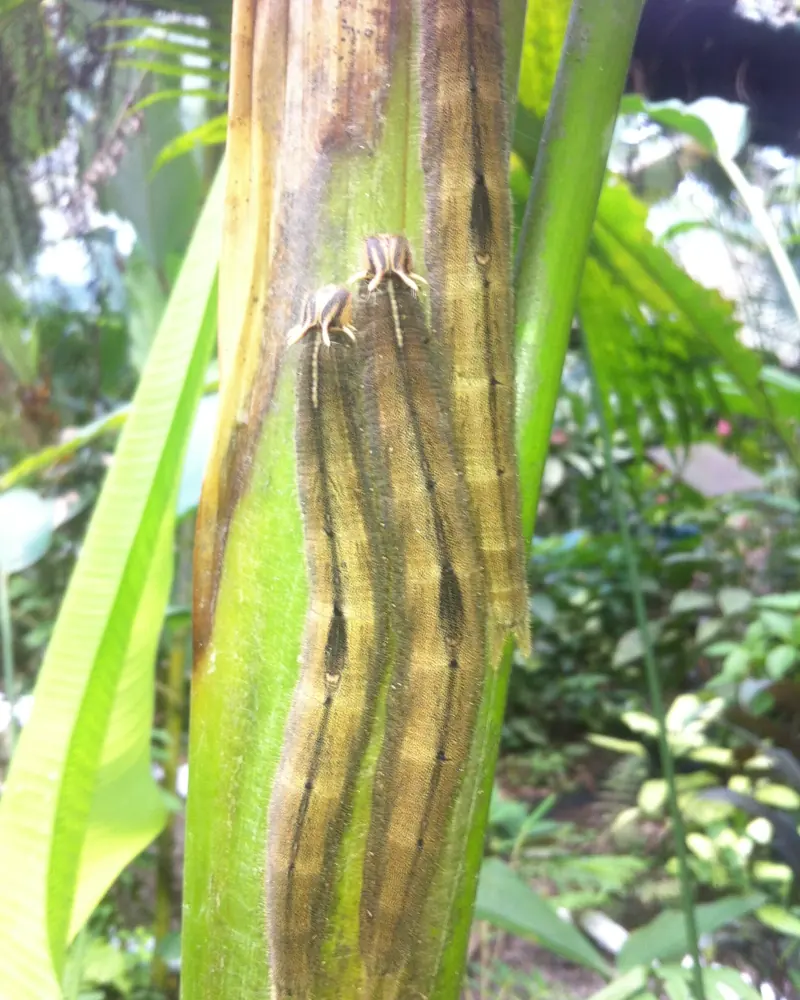
A chrysalis in the breeding area. Blue morphos spend about two weeks in this stage.
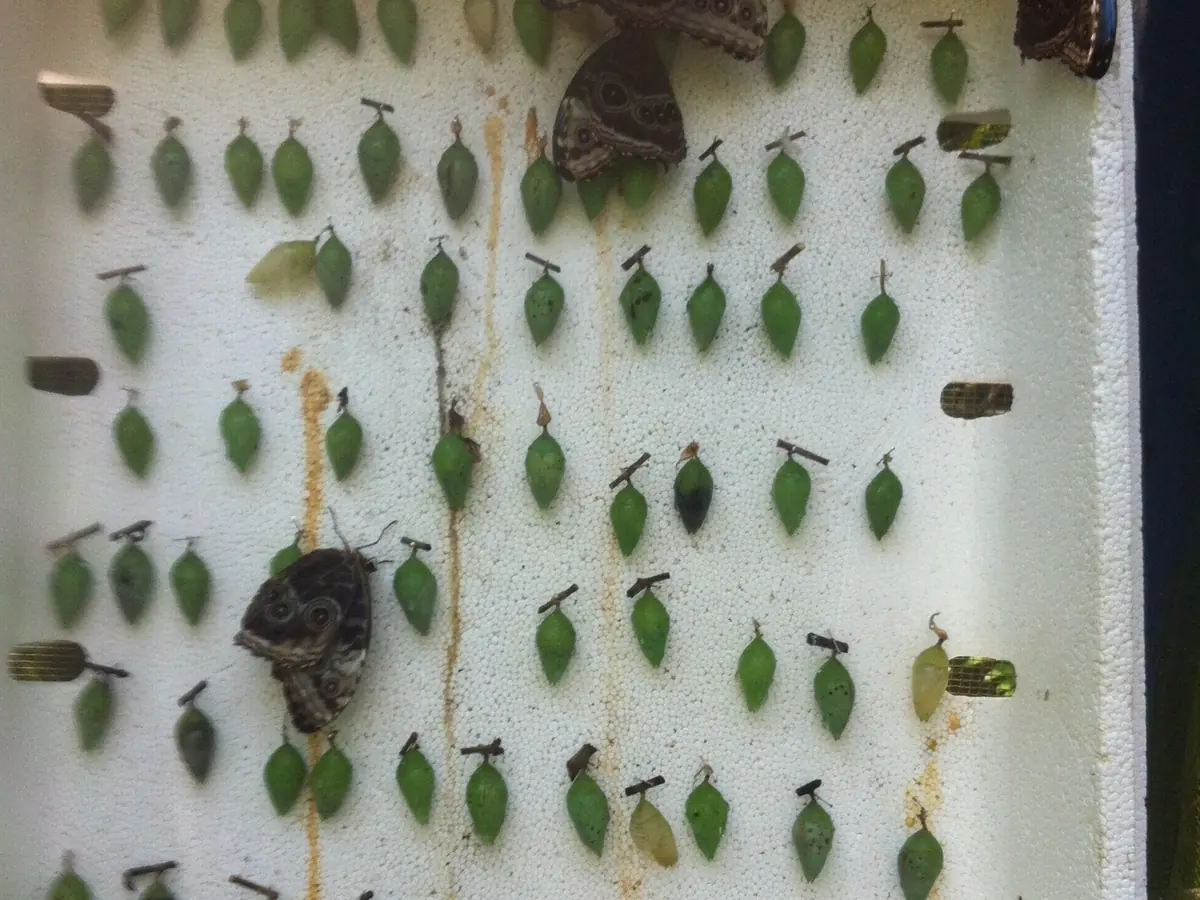
Pupae are sorted by species and date, so the flight house is stocked all year.
The butterfly farm
600 square metres of life cycle
The butterfly farm is the clearest example of how the park works. Eggs are collected, caterpillars are fed on their host plants, pupae are sorted and hung, and adults emerge into an enclosed 600 m² flight house.
Visitors walk through it with a guide who explains each stage. It is also the cheapest tour at Neofauna, which is deliberate: it is the one most local families and school groups can afford.
Visit the butterfly gardenWhere the money goes
Your ticket is the funding
There is no large donor behind Neofauna. The park runs on tour income, and that income is spent on the animals in care.
- FoodFruit, insects, rodents and formula for animals that cannot feed themselves.
- HousingTerrariums, flight aviaries, breeding cups and the humidity systems that keep amphibians alive.
- CareTreatment, medicine and the time it takes to rehabilitate an animal properly.
- ReleaseMonitoring animals after release, and maintaining the forest patches they go back into.
Questions
About the rescue work
Is Neofauna really a non-profit?
Neofauna describes itself as a private, non-profit wildlife center. The money from tours goes back into the animals: food, terrariums, breeding stock and the upkeep of the park. Ask your guide on the day if you want to know where a specific tour's income goes.
Can I volunteer or bring an injured animal?
If you have found an injured, orphaned or displaced wild animal near Jacó, call +506 8811-9714 before you move it. For volunteering, message us on WhatsApp with your dates and what you can help with — the team takes helpers when there is space and work that suits them.
Do you release the animals you rescue?
Where an animal can hunt, fly or climb well enough to survive, it is released back into the forest around the park. Animals that cannot survive in the wild stay in permanent care, and the breeding programs focus on species under pressure in this part of Puntarenas.
Book a tour. Fund the rescue.
Every ticket pays for food, housing and care. Pick an experience and meet the animals your visit supports.